
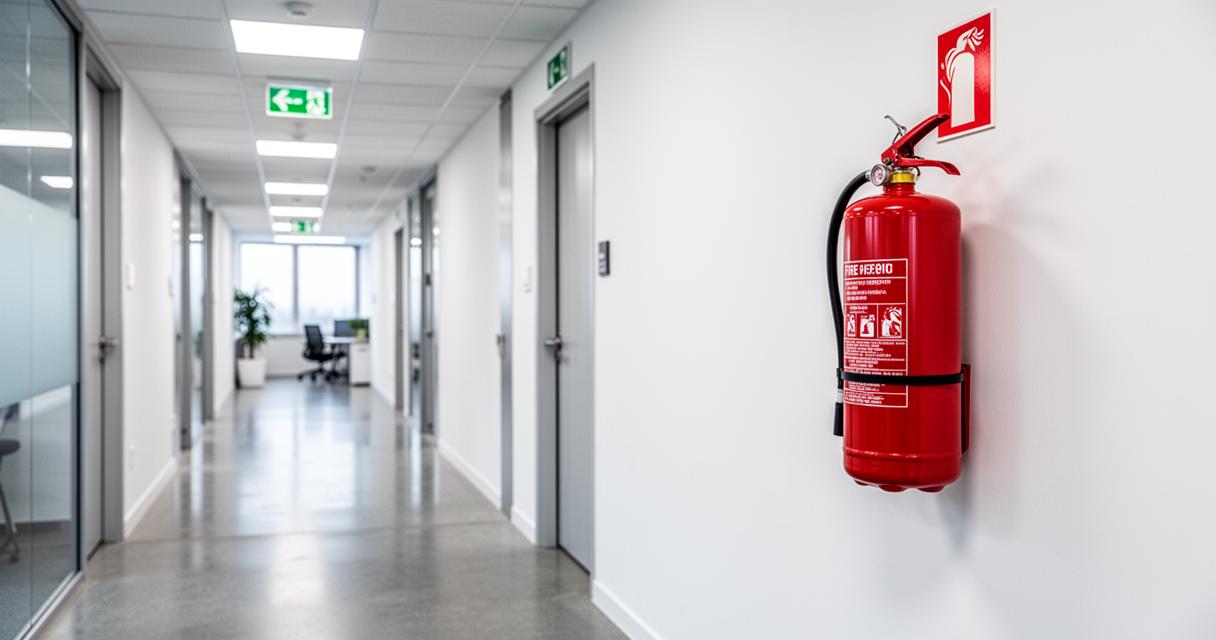
When a fire breaks out, having the right extinguisher to hand can make all the difference between a minor incident and a devastating blaze. Yet many premises (from offices and warehouses to commercial kitchens and industrial sites) are equipped with the wrong type, leaving occupants at risk and potentially falling foul of fire safety regulations. Understanding how to match a fire extinguisher to the correct fire class is a fundamental part of any robust fire prevention strategy.
What to know
- Fires are classified into six distinct categories based on the fuel source, which dictates the specific type of extinguisher required for safe and effective suppression.
- Using the incorrect extinguisher on a fire can be dangerous, such as the risk of electrocution from using water on electrical fires or causing a flashover with improper agents on cooking oils.
- Different extinguisher types (including water, foam, CO2, dry powder, and wet chemical) are engineered to address specific fire classes by cooling, smothering, or chemically sealing the blaze.
- A thorough fire risk assessment conducted by a competent person is essential to ensure that the correct equipment is selected for the specific hazards of a premises.
- Effective fire safety requires not only the right equipment but also strategic placement, clear signage, and regular maintenance to ensure devices remain operational.
- Staff should be trained in the PASS method (Pull, Aim, Squeeze, Sweep) and emergency procedures to ensure they can respond effectively while prioritizing their own safety and escape routes.
Understanding the Different Classes of Fire and What Causes Them
From Solid Materials to Flammable Liquids: A Breakdown of Fire Classes
Fires are categorised into distinct classes based on the material that is burning, and this classification system forms the backbone of all fire safety compliance decisions. There are six recognised classes in total, each presenting its own risks and demanding a specific response. Class A fires involve solid combustible materials such as wood, paper, and textiles, the kind most commonly encountered in offices, schools, and domestic settings. Class B fires are fuelled by flammable liquids like petrol, oils, and solvents, making them a particular concern in garages, petrol stations, and workshops.
Moving further along the spectrum, Class C fires involve flammable gases, whilst Class D fires relate to combustible metals, a hazard most often encountered in factory and industrial environments. Electrical fires, though not formally assigned a letter in the same way, represent a significant and distinct risk category, particularly in settings with a high density of equipment. Finally, Class F fires involve cooking oils and fats, making them the primary concern in commercial kitchens and restaurants where deep-fat fryers and large cooking ranges are in daily use.

Why Identifying the Fire Class Matters Before Choosing an Extinguisher
One of the most important (and sometimes overlooked) points in fire safety training is that no single fire extinguisher is effective across all fire types. More critically, deploying the wrong extinguisher can actively worsen a fire or create serious hazards. Using a water extinguisher on an electrical fire, for instance, risks electrocution, whilst applying the wrong agent to burning cooking oils can cause a violent flashover. This is precisely why a thorough fire risk assessment, carried out by a competent person, is essential before selecting fire prevention equipment for any premises.
Matching the Right Fire Extinguisher to Each Fire Class
The Main Types of Fire Extinguishers and Their Appropriate Uses
There are five main fire extinguisher types widely used across the UK: water, foam, CO2, dry powder, and wet chemical. Each has been designed with specific fire classes in mind, and understanding their distinctions is key to sound fire safety compliance.
Water fire extinguishers are the most straightforward option for Class A fires, working by cooling burning solid materials. They are well-suited to offices, schools, and warehouses, but must never be used on electrical equipment or flammable liquids. Foam fire extinguishers offer slightly broader coverage, tackling both Class A and Class B fires by smothering the flames and preventing re-ignition, an advantage in environments where flammable liquids are stored. However, they are not suitable for electrical fires unless specifically rated for such use.
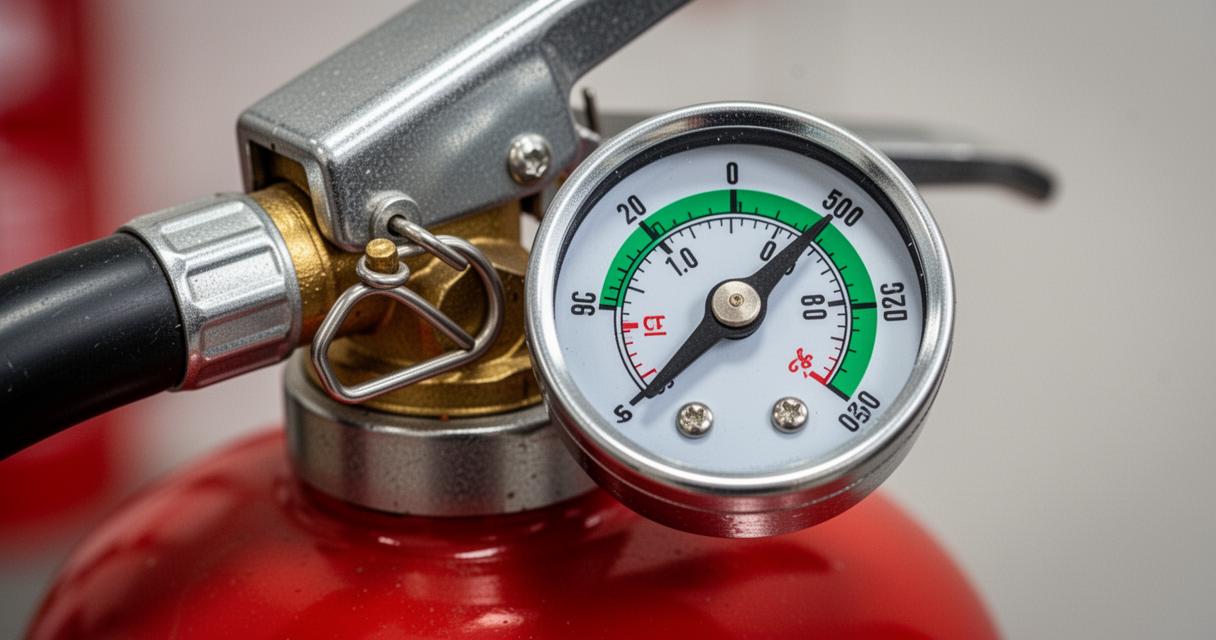
For settings with significant electrical infrastructure, such as server rooms or offices packed with equipment, a CO2 fire extinguisher is the recommended choice. CO2 extinguishers are also effective on Class B fires and carry the significant benefit of leaving no residue, an important consideration in environments where damage to sensitive equipment must be minimised. Dry powder extinguishers are among the most versatile, capable of tackling Class A, B, and C fires, which makes them popular on industrial sites and in outdoor settings. That said, their use in enclosed spaces is discouraged, as the powder significantly reduces visibility and can cause breathing difficulties.
For commercial kitchen fire safety, the wet chemical extinguisher stands in a class of its own. Specifically engineered for Class F fires involving cooking oils and fats, it works by cooling the oil and creating a soapy layer that seals the surface and prevents re-ignition. It can also be applied to Class A fires, offering some additional flexibility for kitchen environments.
Key Factors to Consider When Selecting a Fire Extinguisher for Your Premises
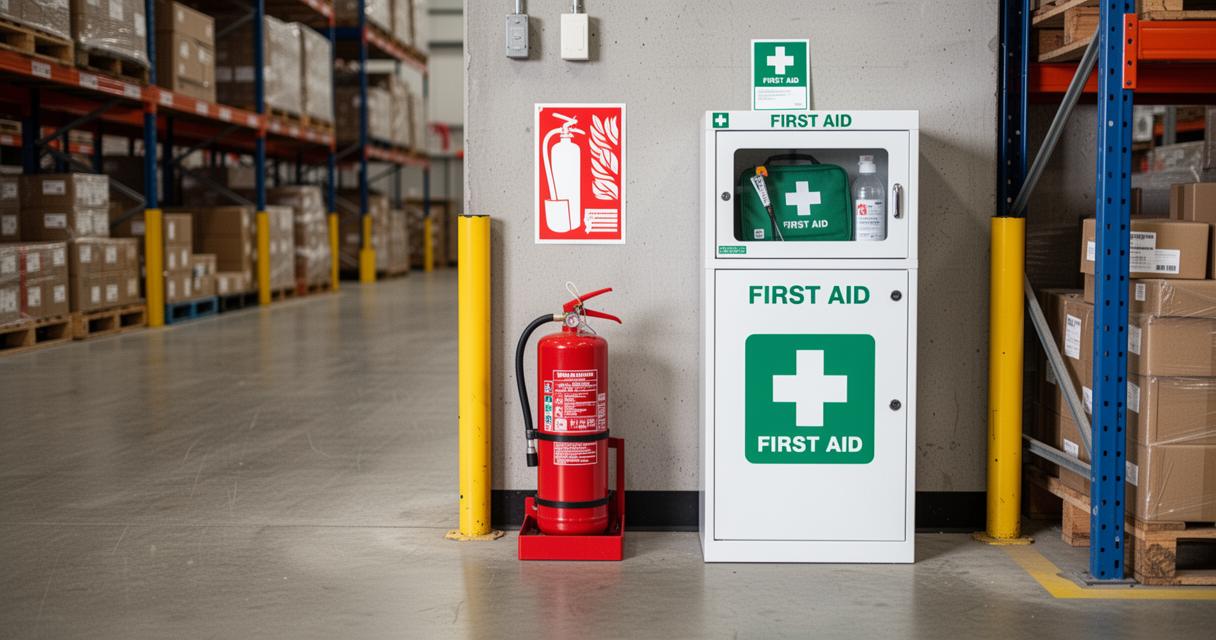
Selecting the right extinguisher goes beyond simply matching it to a fire class. Fire extinguisher placement is equally important, extinguishers must be readily accessible, clearly signed, and positioned so that occupants do not have to travel excessive distances to reach them in an emergency. Fire extinguisher maintenance is another critical consideration: extinguishers should be checked regularly for correct pressure, clean and undamaged working parts, and ease of access. Some models require periodic shaking or pressure testing, whilst others may need replacement after a set period.
Proper fire safety training ensures that staff know not only where extinguishers are located but how to use them effectively. The PASS method (Pull, Aim, Squeeze, Sweep) provides a reliable framework for operating most extinguisher types under pressure. Before attempting to tackle any fire, it is equally important to ensure that others have been alerted and that a clear escape route is available. When fire risk assessment, appropriate equipment, correct placement, and regular training are combined, the result is a comprehensive approach to emergency fire response that genuinely protects people and property.